Unlock Your Creativity With Upcycling: Transform Trash Into Conversation Pieces
Have you ever looked at a pile of old items and wondered, "How can I make something amazing out of this?" Enter the world of upcycling--a movement that goes beyond recycling by transforming everyday trash and discarded objects into unique, functional, and beautiful pieces. Whether you're environmentally conscious or just looking for a fresh way to express your creative side, upcycling offers endless opportunities to unlock your creativity and breathe new life into what others consider junk.
What is Upcycling?
Upcycling is the creative process of repurposing unwanted or waste materials to create items that are of higher value or quality than the original materials. Unlike recycling, which typically breaks down materials for reuse, upcycling leverages the original form and structure to design something new. In short, it's about elevating trash into treasure.
Key Differences Between Upcycling and Recycling
- Recycling: Breaks materials down into basic components, which are then remanufactured.
- Upcycling: Retains the original material's structure, transforming it into a new, often more valuable item.
Consider upcycling as a creative solution not just for reducing waste, but for adding charisma and personality to your environment.
Why Upcycle? The Benefits of Creative Reuse
1. Environmental Impact
By upcycling, you reduce landfill waste and minimize the need for new raw materials. Each item reimagined and reused is one less piece of trash polluting the Earth. It's a sustainable lifestyle choice that positively impacts our planet.
2. Personal Expression
Upcycling is a fantastic outlet to unleash your creativity. It encourages you to see potential in the overlooked and to turn trash into memorable, conversation-worthy pieces that reflect your personal taste and inventiveness.
3. Cost Savings
Why buy new when you can make something beautiful for less? Upcycling often uses items you already own or can source cheaply, making it a budget-friendly way to upgrade your decor, wardrobe, or even gifts for friends and family.
4. Unique Results
Want something that no one else has? Upcycling guarantees one-of-a-kind pieces that stand out. Every creation tells a story and brings a sense of accomplishment unmatched by mass-produced goods.
Unlocking Creativity: How to Get Started with Upcycling
Ready to turn your trash into treasures? Here's how to begin your upcycling journey--and transform even the most unlikely objects into eye-catching conversation pieces!
Step 1: Gather Inspiration and Materials
- Look around your home for items destined for the bin--old furniture, clothing, glass jars, tins, tires, and wooden pallets all make great starting points.
- Browse social media (Pinterest, Instagram) and upcycling blogs for creative ideas and step-by-step tutorials.
- Visit thrift stores, garage sales, or flea markets to find unique items begging for a makeover.
Step 2: Evaluate and Clean Your Materials
- Inspect items for structural integrity and potential safety hazards.
- Clean and prep materials so they're ready for transformation--this may include sanding, washing, or disassembling parts.
Step 3: Sketch Your Vision
Before grabbing your glue gun or paintbrush, sketch or jot down your ideas. Think about function, color, and style. Will your upcycled item be practical (like a table), decorative (like wall art), or both?
Step 4: Assemble Tools and Get Creative
- Basic crafting tools: scissors, glue, paint, brushes, nails, and a hammer.
- Power tools for bigger projects: drill, sander, saw (be sure to follow safety guidelines).
- Accessories: Decorative handles, stencils, or hardware to give pieces a finished touch.
Don't be afraid to experiment--there are no limits to what you can create!
Popular Upcycling Projects: Transform Trash into Conversation Pieces
The possibilities with upcycling are truly endless! Here are some creative project ideas that will help you unlock your creativity and transform trash into conversation pieces that wow your guests:
1. Pallet Wood Furniture
- Turn discarded pallets into rustic coffee tables, benches, or garden planters.
- Blend paint or stain to match your decor, add modern hairpin legs, or incorporate shelves for storage.
2. Glass Bottle Lighting
- Repurpose wine or soda bottles into stunning pendant lights or lanterns.
- Drill holes for bulbs or insert fairy lights to create atmospheric, eco-friendly lighting.
3. Tire Ottomans & Garden Decor
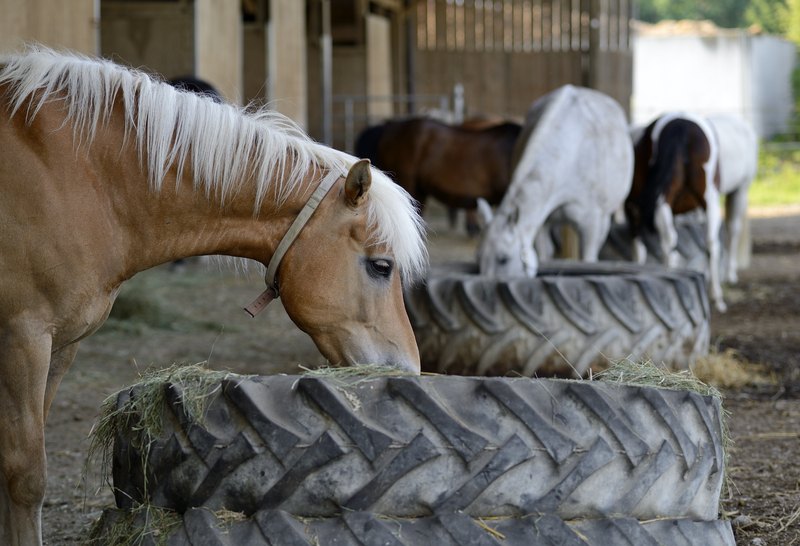
- Old tires can become chic ottomans, planters, or whimsical playground swings for kids.
- Wrap with rope, cloth, or spray paint for a unique finishing touch.
4. Vintage Suitcase Side Tables
- Stack or attach legs to vintage suitcases to create artistic tables with hidden storage.
- Perfect for adding a retro vibe to your living room or bedroom.
5. Can Art & Storage Solutions
- Aluminum cans and tin containers can be cleaned, painted, and turned into organizational pieces or decorative art.
- Create planters, pencil holders, or vibrant wall hangings.
6. Textile Upcycling
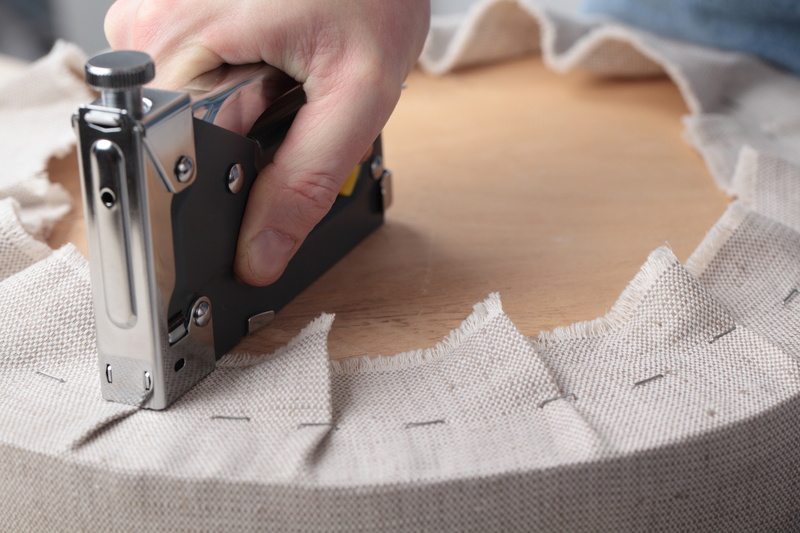
- Old t-shirts, jeans, or curtains can be reinvented as tote bags, rugs, or stylish cushion covers.
- Patchwork and embroidery can add personal flair and durability.
7. Mason Jar Magic
- Mason jars are incredibly versatile--turn them into herb gardens, bathroom organizers, or even candle holders.
- Decorate with paint, rope, or decoupage for a personalized look.
Tips for Successful Upcycling Projects
- Plan Ahead: Consider the final use and location of your piece before starting.
- Invest in Quality Supplies: While upcycling saves money, using quality paints, glues, and hardware ensures your creations last.
- Don't Be Afraid to Make Mistakes: Every artist learns by trial and error; sometimes the best results are happy accidents!
- Stay Safe: Wear protective equipment and follow instructions when using tools or chemicals.
- Collaborate or Share: Upcycling projects can be even more fun and inspiring with friends, family, or local workshops.
Upcycling for Every Space: Ideas for Home, Garden, and Beyond
For the Home:
- Wall Art: Create striking collages from magazines, old picture frames, or repurposed wood.
- Decorative Mirrors: Adorn mirrors with broken tiles, seashells, or bottle caps for a mosaic effect.
- Functional Furniture: Reinvent bookshelves from crates or ladders, and create bespoke lamp stands from musical instruments or sports gear.
For the Garden:
- Planters: Use old boots, teapots, tires, or wheelbarrows for whimsical plant displays.
- Bird Feeders & Baths: Transform glass dishes, cups, or plastic bottles into eco-friendly feeders and baths for local wildlife.
- Garden Paths: Incorporate broken ceramics, wine corks, or colored glass into unique stepping stones or paths.
For Kids:
- Crafts: Turn bottle caps, cardboard, or plastic containers into toys, puppets, or art supplies.
- Costumes: Use old clothes and packaging for creative dress-up adventures.
- Learning Tools: Create educational games and organizers from upcycled materials.
The Social and Environmental Impact of Upcycling
Beyond unlocking creativity, upcycling is reshaping how we think about waste and our relationship with the environment. Communities across the globe are using upcycling to:
- Promote sustainability and environmental awareness.
- Support local artisans and circular economies.
- Offer educational workshops and community-building activities.
By choosing to upcycle, we contribute to a culture that values resourcefulness, sustainability, and creative problem-solving--a legacy our planet desperately needs.
Upcycling Success Stories: Trash to Treasure in Action
Many businesses and artists have made their mark by transforming cast-offs into high-demand products:
- Recycled Denim Brands: Top fashion labels have reimagined old jeans into stylish, high-end collections.
- Furniture Designers: Discarded wood and metal find new life as sought-after statement pieces in homes and offices.
- Art Installations: Public parks and galleries showcase upcycled sculptures and murals, sparking community dialog and inspiring change.
These success stories highlight the impact creativity and upcycling can have--not just in the home, but on society at large.
Join the Upcycling Movement: Tips for a Creative, Eco-Friendly Lifestyle
- Share Your Projects: Document and post your creations online to inspire others and join a global upcycling community.
- Host or Attend Upcycle Workshops: Get hands-on experience, learn new skills, and meet like-minded creators.
- Support Upcycling Businesses: Purchase products made from reclaimed materials or collaborate with local upcycling artisans.
- Educate Yourself and Others: Explore books, blogs, and nonprofit initiatives dedicated to creative reuse and environmental awareness.
Frequently Asked Questions About Upcycling
Is upcycling hard to learn?
Not at all! Anyone can start upcycling, regardless of skill level. Start with simple projects and build your confidence.
What materials can I upcycle?
Almost anything! Common items include wood, glass, metal, textiles, paper, and plastic. Get creative and mix materials for original effects.
Is upcycling safe?
With basic safety precautions and proper tools, yes. Always clean and inspect materials, especially if used for food or gardening.
Can upcycling save money?
Absolutely! Upcycling often uses items you'd otherwise throw away or inexpensive thrift finds, making it a budget-friendly option for home upgrades and gifts.
Conclusion: Unlock Your Creativity With Upcycling Today
Transforming trash into conversation pieces isn't just about making art--it's a powerful way to express yourself, support the environment, and showcase ingenuity. Each upcycled creation is a testament to imagination and resourcefulness. So why not start your upcycling adventure today? Gather your unused items, dream up bold designs, and unlock your creativity with upcycling--turn your trash into treasures that inspire and delight!
