Dulwich Picture Gallery event rubbish management for venues
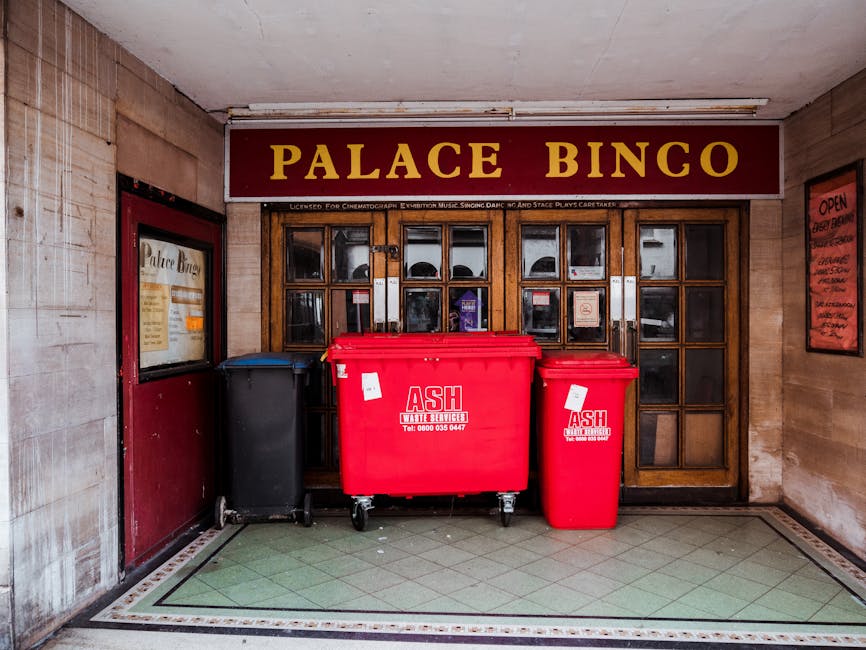
Running an event at a gallery sounds elegant on paper. In real life, though, there are coffee cups, catering packaging, broken box corners, vinyl gloves, floral wraps, and that one corner where everything seems to gather by 9:30pm. Dulwich Picture Gallery event rubbish management for venues is really about keeping the venue calm, presentable, and compliant while the event is happening around it. Done well, it protects the guest experience, reduces stress for staff, and makes the morning-after reset feel manageable instead of grim.
This guide walks through how venue rubbish management works in a gallery setting, what good practice looks like, where things usually go wrong, and how to build a system that actually holds up on busy event days. If you are responsible for a private hire, wedding reception, corporate function, exhibition launch, or members' evening, this is the practical version, not the glossy brochure version. Let's get into it.
Why Dulwich Picture Gallery event rubbish management for venues Matters
Venue rubbish management is not just about emptying bins. In a heritage or arts setting, it affects first impressions, safety, room turnover, noise levels, and the ability to protect floors, artwork-adjacent spaces, and public areas from avoidable mess. A gallery event can change character fast: a formal drinks reception at 7pm can look very different by 10pm, when glassware has stacked up, napkins have drifted under chairs, and recycling bins are already full.
At Dulwich Picture Gallery, the expectation is usually a polished guest experience with minimal disruption to the building. That means rubbish handling has to be planned quietly and carefully. Clear routes, discreet bin placement, frequent waste checks, and sensible separation of recyclables all help keep the venue looking intentional rather than improvised. To be fair, guests rarely notice when rubbish management is excellent. They only notice when it is not.
There is also a practical business reason. Poor waste handling creates extra labour, slows down changeovers, and can leave venue teams dealing with overflow at the worst possible moment. In a busy hire schedule, that can affect the next booking too. One missed collection or one overloaded bag, and suddenly the whole room reset is running late. Nobody wants that at 8am on a Sunday.
For venues in London, rubbish management also connects to sustainability expectations. More event organisers now ask how waste is separated, whether recycling is available, and what happens to leftover materials. A venue that can answer those questions confidently looks organised, responsible, and easier to work with.
Key takeaway: good rubbish management protects presentation, safety, guest experience, and turnaround time. For a venue like a gallery, it should feel invisible during the event and efficient afterwards.
How Dulwich Picture Gallery event rubbish management for venues Works
In practice, event rubbish management is a chain of small decisions that work best when they are agreed before guests arrive. It starts with understanding the event format: seated dining, standing drinks, family workshop, conference, late-night private hire, or mixed-use programme. Each one creates different waste streams. A canape reception creates light packaging and glasses. A dinner with plated service produces food waste, napkins, cardboard, and catering disposables. A workshop may produce paper offcuts, craft materials, and odd-shaped recycling that needs separate handling.
The next step is mapping where waste will appear. That sounds obvious, but it is where many plans fall down. Entrances, cloakrooms, bar points, catering prep areas, toilets, and loading access all need thought. You want bins where people naturally pause, but not where they clutter sightlines or block movement. In a gallery, aesthetics matter. A bin in the wrong place can look clumsy immediately.
Then comes sorting. Most venues will work with some combination of general waste, mixed recycling, and food waste where available. Depending on the event, there may also be cardboard, glass, confidential paper, and special streams for items like batteries or appliances. If you are handling event setup with temporary furniture or staging, waste can spill into another category entirely, which is where services like business waste removal and general waste removal become relevant.
Finally, there is collection and final clearance. Some events need a same-night sweep, others need an early next-day uplift. The right approach depends on venue access, event close time, and how much material will be left once catering and production teams have packed down. If furniture, display items, or temporary structures are being removed too, it may be worth looking at furniture clearance or related services so the clean-up does not become a separate headache.
In a well-run venue, everyone knows the plan: who empties bins, where bags are stored, which materials are segregated, and how the final load is removed without disturbing the building. Simple. Not always easy, but simple.
Key Benefits and Practical Advantages
The value of structured rubbish management is easy to underestimate because it is mostly felt in what does not happen: no overflow, no bad smells, no panic, no guests stepping around a pile of boxes in a corridor. Still, the benefits are tangible.
- Cleaner guest areas: Bins are managed before they become visible problems.
- Safer walkways: Less loose waste means fewer trip hazards and less spillage.
- Smoother event flow: Staff spend less time improvising.
- Better brand impression: A tidy venue feels more premium and more professional.
- Improved recycling performance: When waste is sorted properly, more can be diverted away from landfill.
- Faster resets: Clear bagging and collection routines reduce morning-after chaos.
- Lower contamination: Recycling is more effective when food waste and glass are kept separate.
There is a hidden benefit as well: calmer staff. When the waste plan is organised, front-of-house teams do not have to constantly ask where this bag goes or whether the bottle crate is full. That small reduction in friction makes a big difference, especially during the last hour of an event when energy is dropping and people are already thinking about the exit.
For venues that host repeat events, a steady waste process also makes planning easier across the year. Once a team knows what the waste profile looks like for a 60-person drinks reception versus a 150-person dinner, they can estimate bag counts, collection timing, and required labour more accurately. That is the kind of operational knowledge that saves money quietly, without much drama.
Who This Is For and When It Makes Sense
This topic matters to more people than you might expect. It is not only for venue managers. It matters to event coordinators, catering teams, house staff, production companies, wedding planners, exhibition organisers, and facilities teams who are trying to keep a heritage venue running smoothly.
It makes sense whenever the event produces more waste than the venue can comfortably absorb with its everyday routine. That threshold is lower than many people think. A well-attended private dinner with packaged florals, glassware, and layered catering can create a surprising amount of waste. So can a corporate drinks event where guests leave half-finished drinks and printed materials everywhere. And if a room is being dressed and undressed in the same day, rubbish appears from setup as well as service.
You may also need a more deliberate plan if:
- the event involves external caterers or suppliers
- there will be temporary furniture, signage, or display materials
- the event includes food service and glass collection
- access windows for disposal are narrow
- you need to protect a premium presentation standard
- you are trying to improve recycling or reduce mixed waste
If you are dealing with post-event items beyond standard rubbish, for example old office materials, storage clutter, or archived event equipment, related services like office clearance or home clearance can sometimes be more appropriate than ad hoc removal. The point is to match the service to the mess. That sounds blunt, but it is true.
Step-by-Step Guidance
If you want a process that actually works, start with the event itself and work backwards. Here is a practical way to handle it.
- Estimate the waste profile. Think through guest numbers, service style, catering format, and whether setup materials will also need removing.
- Map waste points. Identify where waste will be generated: bar, kitchen pass, reception, toilets, cloakroom, and back-of-house areas.
- Choose the right containers. Use a mix of liners, bins, and collection sacks that suit the scale and event type.
- Separate streams early. Put recycling and general waste in the right place from the start rather than relying on a sort-out at the end.
- Brief staff and suppliers. Make sure caterers and event teams know exactly where waste goes and who is responsible.
- Set collection timings. Decide whether bins are checked during service, after the main meal, at close, or all three.
- Plan the final clear-down. Make sure bags, boxes, and any bulky items can be removed without disturbing guests or the venue fabric.
- Review after the event. Note what filled fastest, where contamination happened, and what needs changing next time.
A small real-world observation: the best systems are usually not the most complicated ones. They are the ones people can follow while tired. A label that says "glass only" is more useful than a beautifully designed chart nobody reads. Human beings under pressure are not great at decoding clever signage. Odd, but there it is.
Expert Tips for Better Results
There are a few habits that make rubbish management noticeably better, especially in a venue setting where space is tight and the room has to look elegant throughout.
Keep bins where behaviour happens, not where it looks tidy on a plan
People usually dispose of waste at the point of decision: near the bar, beside the service station, or by the exit. If a bin is hidden away, guests simply do not use it. You end up with wrappers on tables and bottles abandoned on ledges. Not ideal.
Use one person as the waste lead
Even a small event benefits from one named person keeping an eye on waste points, liner changes, and collection timing. When responsibility is shared by everyone, it is effectively owned by no one. That is just how events work.
Protect recycling from the beginning
Once food, liquids, and mixed rubbish get into recycling, the whole load can become contaminated. Keep dry recycling genuinely dry. If glass is collected separately, make that route obvious and convenient.
Build in a buffer
Always assume the event will create a bit more waste than expected. Guests bring packaging. Caterers bring extras. Someone decides to open an additional table. Then there is the pile of cable ties, tape, and cardboard that seems to breed in the corner. A buffer stops minor surprises from becoming operational problems.
Think about smell and sound
This is the bit people forget. A badly managed waste point can smell warm and sugary by the end of the evening, especially if food and drink waste sits too long. Likewise, dragging bags through quiet corridors can sound far louder than expected in a gallery setting. Good timings and discreet movement matter.
If you are planning recurring events, consider building a stable relationship with a waste partner that understands commercial premises and event peaks. You may also want to review recycling and sustainability guidance internally, so your team knows what good looks like before the pressure starts.
Common Mistakes to Avoid
Most waste problems are not dramatic failures. They are small oversights that stack up. The good news is they are easy to avoid once you know what to look for.
- Underestimating volume: A neat floor plan can hide the real amount of rubbish generated.
- Not separating waste streams: Mixed bags make recycling less effective and more time-consuming.
- Forgetting back-of-house areas: Staff spaces often become the overflow zone.
- Leaving collection too late: If bags are not moved before peak disposal times, bins overflow.
- Using vague instructions: "Put it in the right place" is not enough. Be specific.
- Ignoring bulky items: Cardboard, temporary furniture, and display materials need separate thought.
- Failing to brief suppliers: External teams may use their own habits unless you set the rules clearly.
One of the worst mistakes is treating the clean-up as an afterthought. You can spot this from a mile away: stacks of cardboard by the service door, a half-full bin with a loose lid, and one harried staff member trying to juggle three tasks at once. That scene is avoidable.
Tools, Resources and Recommendations
You do not need a mountain of equipment to manage event waste well. You need the right basics, used consistently.
| Tool or approach | Best for | Why it helps |
|---|---|---|
| Clearly labelled bins | Guest-facing and back-of-house areas | Reduces confusion and contamination |
| Heavy-duty liners | Food, mixed waste, and busy service areas | Prevents tearing and spillages |
| Stackable crates or sacks | Bottle and cardboard handling | Makes transport easier and neater |
| Waste route plan | Events with restricted access | Helps staff move waste without blocking guests |
| Collection timetable | Longer events or multi-stage functions | Keeps bins from reaching overflow |
For some venues, especially where bulky waste or one-off clearances are involved, it may also help to look at what can go in a skip before deciding whether a skip-based approach or a direct removal service makes more sense. If the event produces large quantities of packaging, staging waste, or broken-down furniture, the choice matters more than people think.
And if you are comparing different support options, make sure you understand payment, coverage, and timing. The practical side is boring until it is not. A little admin now saves a lot of grief later. For clarity on service arrangements, it is worth reading the company's terms and conditions, along with insurance and safety information.
Law, Compliance, Standards, or Best Practice
Waste handling for venues in the UK needs to follow sensible commercial practice and the relevant legal duties around waste duty of care, safe handling, and appropriate segregation. The exact requirements can vary depending on the waste type and the circumstances, so it is wise to treat compliance as a live operational issue rather than a box-ticking exercise.
At a minimum, venue teams should work with clear internal procedures, use reputable contractors, and avoid leaving waste in a way that creates nuisance, fire risk, or contamination. If hazardous items are involved, they need special care. That might include cleaning chemicals, aerosols, damaged appliances, or other restricted materials. In those cases, specialist handling is more appropriate than standard event rubbish removal. A related page on hazardous waste disposal can be useful when an event generates anything beyond ordinary packaging and food waste.
Health and safety also matters. Bags should not be overfilled. Routes should stay clear. Staff moving waste should not be forced to lift awkward loads through crowded rooms or down tight stairs without a plan. A venue that takes this seriously will usually have fewer accidents and fewer awkward last-minute scrambles. For a good benchmark, align your process with the venue's own health and safety policy and any site-specific event rules.
If your event includes confidential papers, registration lists, guest paperwork, or internal documents, do not casually mix them with general waste. Confidential material should be handled separately, and a proper confidential shredding route is the safer choice.
Options, Methods, or Comparison Table
There is no single best waste method for every event. The right choice depends on scale, waste type, access, and how quickly the venue needs to reset. Here is a simple comparison.
| Method | Best for | Pros | Limitations |
|---|---|---|---|
| Manual bin rotation | Smaller events and low-volume waste | Flexible, low setup, discreet | Needs active staff monitoring |
| Bagged collection points | Medium events with separate waste streams | Easy to sort and remove quickly | Can become messy if not labelled well |
| Scheduled contractor uplift | Large events or tight turnarounds | Reliable, efficient, less labour for venue staff | Requires clear timing and access planning |
| Skip-based clearance | Bulky waste, staging, larger one-off clear-outs | Good for volume and mixed materials | Requires space and advance planning |
For many gallery events, the best answer is a blend: active in-event waste control plus a planned final uplift. That combination keeps the venue tidy during service and practical after the lights go down. It is rarely glamorous, but it works.
Case Study or Real-World Example
Picture a Friday evening private hire at a gallery: 90 guests, drinks reception, canapes, a short speech, then live music and a later close. At the start, the space is spotless. By 8:15pm, there are glass bottles near the bar, napkins on side tables, cardboard from catering deliveries in the prep area, and a growing bag of mixed waste behind the scenes.
If the team has planned well, the process is calm. One person checks the guest-facing bins every so often. Catering keeps glass separate. Cardboard is flattened as it appears. Loose packaging is not left to collect in the corners. At close, the final sweep takes minutes rather than hours, and the room feels presentable for the next morning.
If the team has not planned well, the same event becomes a chain of small annoyances: bags are overfilled, recycling is contaminated, the service corridor fills up, and everyone starts asking who is taking what where. Nothing catastrophic, just tedious. And after a long day, tedious is enough to cause problems.
The best part is that the improved version is not complicated. It comes from a few sensible choices made early. You may not hear anyone praise the waste plan at the event. That is normal. The praise arrives later, in the form of a smooth handover and a venue that still looks like itself the next morning.
Practical Checklist
Use this checklist when planning rubbish management for a venue event.
- Confirm the event format and likely waste streams.
- Identify all bin points and back-of-house collection areas.
- Assign one waste lead for the event.
- Label general waste, recycling, glass, and any special streams clearly.
- Brief caterers, production teams, and venue staff before setup.
- Plan liner changes and mid-event checks.
- Keep walkways, stairwells, and service routes clear.
- Set a final removal window that fits the venue schedule.
- Separate bulky items from normal rubbish.
- Review what worked and what needs improving after the event.
If the event also leaves behind furniture, damaged items, or bulky disposables, consider whether a broader clearance is needed rather than trying to manage everything as simple bin waste. Sometimes the neatest solution is the one that clears the whole picture, not just the bags.
Get a free quote today and see how much you can save.
Conclusion
Dulwich Picture Gallery event rubbish management for venues is about more than tidiness. It is about preserving atmosphere, protecting staff time, keeping routes safe, and making sure the venue can move from one event to the next without unnecessary friction. When the system is thoughtful, the rubbish almost disappears into the background, which is exactly what you want.
Good waste management is usually quiet, practical, and a bit uncelebrated. But it is one of those operational details that separates a smooth venue from a stressed one. If you get it right, everything else feels easier. And honestly, in events, easier is worth quite a lot.
Small plan, big difference. That's the whole game.
Frequently Asked Questions
What does event rubbish management actually include?
It includes planning where waste will be generated, placing bins correctly, separating recycling and general waste, arranging collections, and managing final clear-down after the event.
Why is rubbish management so important in a gallery venue?
Because presentation, safety, and guest experience matter more in a gallery setting. Waste that is poorly managed can spoil the atmosphere, create clutter, and slow down room turnover.
How early should venue rubbish planning start?
As early as possible, ideally during event planning. The waste profile often depends on guest numbers, catering format, access times, and any setup materials being brought in.
What kind of waste is most common at venue events?
Common event waste includes food packaging, drink containers, napkins, cardboard, mixed rubbish, glass, and sometimes bulky items from setup or staging.
Should recycling be separated during the event or afterwards?
During the event, if possible. Separation is much easier before waste gets mixed together. Waiting until the end often leads to contamination and more labour.
What if the event produces bulky waste as well as bin rubbish?
Then you may need a broader clearance approach rather than standard bin collection alone. Bulky items, cardboard stacks, and temporary furniture often need separate handling.
How can venues stop rubbish overflowing during busy moments?
By checking bins at set intervals, placing them where people naturally use them, and assigning a staff member to monitor waste points during service.
Is special handling needed for glass or food waste?
Often yes, depending on the venue's system. Glass is usually best kept separate, and food waste should not be mixed into recycling. Clear rules make everything easier.
What are the biggest mistakes venues make with event waste?
The biggest mistakes are underestimating waste volume, failing to brief suppliers, not separating waste streams, and leaving final collection too late.
How do I know whether I need a contractor or can manage waste in-house?
If the event is small and the waste output is limited, in-house management may be enough. For larger events, tight turnarounds, or bulky materials, a contractor is usually the safer choice.
Does event rubbish management need to follow any legal or safety standards?
Yes, venue waste handling should follow UK waste duty of care principles, safe handling practices, and the venue's health and safety procedures. Special care is needed for hazardous or confidential materials.
What is the best way to improve rubbish management for repeat events?
Keep notes after each event. Track where waste builds up, which bins fill first, and where contamination happens. A few simple improvements can make the next event far smoother.