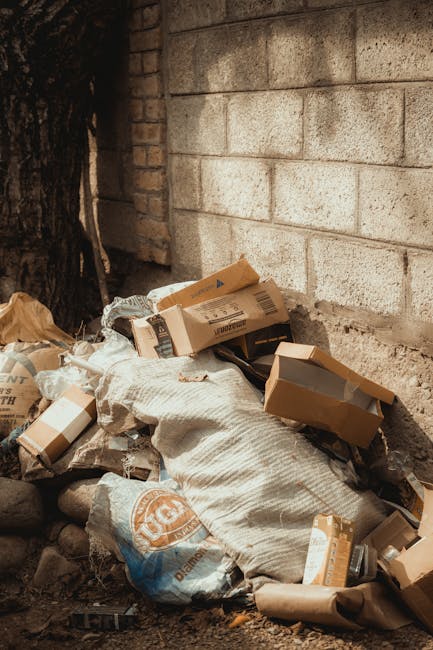
Avoid hidden charges with Dulwich rubbish removal companies
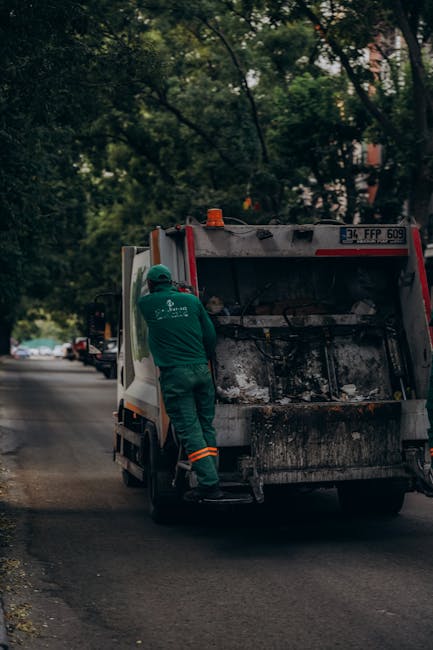
If you have ever booked rubbish removal and then felt a bit blindsided by the final bill, you are not alone. Hidden fees can creep in fast: labour surcharges, access charges, waiting time, disposal extras, and all the little lines that somehow add up. The good news is that you can avoid hidden charges with Dulwich rubbish removal companies if you know what to ask before anyone turns up with a van. This guide breaks the whole thing down in plain English, so you can compare quotes properly, spot awkward wording, and book with a bit more confidence. No drama. No nasty surprises.
In a place like Dulwich, where homes, flats, shops and offices can have very different access points, pricing should be clear from the start. And if it is not? That is usually your sign to keep looking.
Why Avoid hidden charges with Dulwich rubbish removal companies Matters
Hidden charges are more than an annoying surprise. They can make a cheap-looking quote expensive very quickly. In rubbish removal, the final cost is often affected by weight, volume, labour, parking, access, special items, and disposal route. If a company is not upfront about those factors, you may only discover the full price when the team is already at your door. That is a bad moment for a negotiation.
Dulwich has a mix of Victorian homes, converted flats, side return access, garden outbuildings, and busy streets around local shopping areas. All of that affects how straightforward a clearance job is. A narrow staircase, a basement room, or a first-floor flat with no lift can change the amount of labour involved. Fair enough. But that should be explained clearly, not hidden in vague wording.
To be blunt, hidden charges damage trust. They also make it harder to compare companies properly. A quote that looks slightly higher but includes labour, loading, disposal and VAT may be better value than a low headline price with extras waiting in the wings. Which one would you rather pay for? The one you understand, obviously.
Practical takeaway: the cheapest quote is not always the best deal. The clearest quote is usually the safest one.
If you want more predictable pricing across different clearance jobs, it also helps to understand the service itself. Pages like waste removal and pricing and quotes can give you a better sense of how costs are typically structured before you book.
How Avoid hidden charges with Dulwich rubbish removal companies Works
The basic idea is simple: ask for a price that reflects the actual job, not a teaser rate. A transparent rubbish removal company should explain how it calculates the quote, what is included, and what might cost extra. In practice, that means they should be able to answer a few plain questions without hedging.
What a proper quote usually covers
A clear quote often includes:
- collection and loading of your waste
- labour for carrying items out of the property
- disposal or processing costs
- fuel and travel, if applicable
- any minimum charge or small-job fee
- VAT, where relevant
Some companies also price by load size or vehicle space used. That is normal enough. The problem comes when the quote leaves out things that are obvious to everyone else, like parking constraints or a bulky item fee.
Where hidden charges tend to appear
The usual culprits are not hard to spot once you know them:
- Access fees for stairs, long carries, or awkward entry
- Waiting time if the crew is delayed on site
- Special item surcharges for mattresses, fridges, sofas, or hazardous materials
- Parking or congestion costs where permits or paid parking are needed
- Minimum load rules if the job is smaller than expected
- VAT surprises when the initial figure was shown before tax
Some of these are legitimate. The issue is not the charge itself. It is whether you knew about it before agreeing. That tiny detail makes all the difference.
If you are dealing with a broader clearance, it can help to compare specialist services. For instance, house clearance, flat clearance, office clearance and garden clearance can all involve different cost structures. The job type matters.
Key Benefits and Practical Advantages
Being careful about hidden charges is not just about saving money, though that is obviously part of it. It also gives you control, reduces stress, and helps you choose a company that works in a professional way.
1. Better budgeting
When you know the full cost upfront, you can plan properly. That matters whether you are clearing one bulky sofa or dealing with a full household declutter after a move. Nobody wants to reshuffle the whole month's budget because a disposal invoice suddenly grew legs.
2. Easier comparison between companies
Transparent pricing lets you compare like with like. A quote for furniture disposal is only useful if you know whether it includes loading, stairs, and disposal. Without that, you are comparing apples with, well, a van full of old chairs.
3. Less risk of disputes
Clear terms reduce the chance of disagreement on the day. If you and the company have already agreed what is included, there is less room for "Oh, that'll be extra."
4. Faster decision-making
You do not have to spend ages second-guessing the fine print. That alone can be worth a lot, especially when you are clearing space before a tenancy handover, renovation, or big family event.
5. More trust in the service
Good companies tend to be comfortable discussing the full cost. They explain the awkward bits plainly. That is usually a positive sign, and in our experience, the more transparent the estimate, the smoother the job tends to go.
Who This Is For and When It Makes Sense
This approach is useful for almost anyone booking a clearance, but it is especially helpful if your job has variables. If the waste is easy to access and you already know the volume, the risk is lower. If the property is tight, cluttered, or full of mixed items, pricing can become fuzzy very quickly.
You will probably benefit from this if you are:
- moving house and need a same-week clearance
- clearing a flat with stairs or limited parking
- disposing of bulky furniture or appliances
- sorting out landlord, tenant, or end-of-tenancy rubbish
- clearing a garage, loft, or garden after years of build-up
- booking for a business, office, or retail unit
It also makes sense if you have a lot of mixed waste. Mixed loads are where hidden charges can appear, because different materials may need different handling. For example, furniture disposal may be priced differently from general waste, while fridge and appliance removal can involve extra handling due to recycling requirements.
And yes, if you are just getting rid of a single old mattress, it still pays to ask the awkward question: "Is that all in?" Better a slightly cautious conversation now than a frustrating one later.
Step-by-Step Guidance
Here is a practical way to avoid hidden charges without turning the booking process into an interrogation. It is not difficult, just a bit methodical.
Step 1: Describe the job properly
Give a clear description of what needs removing. Mention item types, quantity, access, floor level, parking conditions, and whether anyone will be on site to help. A vague "bit of rubbish" is not enough. The more honest you are, the more accurate the quote should be.
Step 2: Ask what the quote includes
Do not just ask "How much?" Ask what the price covers. Labour? Disposal? VAT? Stair carries? Same-day collection? It takes a minute, and it saves confusion later.
Step 3: Ask about exclusions and extras
This is where hidden charges usually live. Ask what would make the price go up. A good company should answer directly. If they seem slippery, that is a warning sign, not a personality quirk.
Step 4: Check how volume is measured
Some teams estimate by cubic yards, van space, or a load fraction. That is fine, but ask how they measure it. If you are comparing quotes from different firms, make sure they are using the same basis.
Step 5: Confirm special-item pricing
Mattresses, sofas, fridges, and some electrical items can have different handling requirements. Ask about each one if they are part of the load. You can also review services like mattress and sofa disposal if those are your main items.
Step 6: Get the final figure in writing
Even a text message or email summary is helpful. It creates a record of what was agreed. That does not mean every job needs a legal document, but a written summary is a very sensible habit.
Step 7: Prepare the site properly
Move easy-to-move items to a central spot if you can do so safely. Clear the path. Reserve parking if possible. Those small actions can reduce labour time and avoid awkward add-ons on the day.
For larger jobs, it can also help to review whether a clearance service or a more specific removal is the better fit. For example, home clearance may suit a broad domestic job, while garage clearance may be better for a smaller, contained project.
Expert Tips for Better Results
A few small habits can make a surprisingly big difference. These are the kind of things that save time, money, and a bit of stress too.
Ask for a breakdown, not just a total
A useful quote should make sense line by line. If a company refuses to explain how the number was reached, that is not reassuring. It may be fine, but why leave you guessing?
Be careful with "from" pricing
"From GBPX" is not a complete quote. It can be a starting point only. Always ask what would cause the price to move up.
Check whether VAT is included
This one catches people out more often than it should. A low quote can suddenly feel less low once tax is added. Ask early and save the headache.
Share photos when possible
Photos can reduce guesswork, especially for cluttered rooms, tight stairwells, or mixed loads. A couple of decent pictures in daylight can do more than a long, rambling description. Truth be told, they often help everyone get on the same page faster.
Match the service to the waste
If you are only disposing of a few items, a general rubbish removal service may be enough. If the waste is bulky or specialised, use the most relevant service page available. For example, builders' debris, office clear-outs and delicate items each need different handling. See builders waste clearance or office clearance if your job fits those categories.
Think twice about unusually low quotes
Sometimes a low price is genuine. Sometimes it is a hook. If the quote feels far below the others, ask what is missing. Low prices with vague wording can become expensive very quickly. We have all seen that film before.
Common Mistakes to Avoid
Most hidden-charge problems come from the same handful of mistakes. Avoid these and you are already ahead of the game.
- Accepting a price without asking what it includes
- Ignoring access details such as stairs, distance from parking, or locked entrances
- Forgetting special items like white goods, mattresses, or confidential materials
- Assuming VAT is included when it has not been stated
- Not checking minimum charges for small loads
- Leaving the job description vague and hoping for the best
- Choosing only on price without comparing service terms
One of the most common mistakes is underestimating how much stuff there actually is. A room can look manageable until the cupboard doors open and the loft hatch comes down. Then, suddenly, it is a different story. Not a disaster, just reality.
If your job involves a particularly cluttered home, you may want to look at guidance on loft clearance or house clearance, because those jobs often need a more detailed quote than a simple bulky-item pickup.
Tools, Resources and Recommendations
You do not need fancy tools to avoid hidden charges. A bit of preparation is usually enough, although a few practical aids can help.
Useful things to prepare before requesting a quote
- a quick list of everything to remove
- photos of the main items and access points
- your postcode and parking details
- notes on stairs, lifts, or garden access
- any item you think may need special handling
Helpful service pages to review
Some website pages can help you understand what type of clearance you need and what the job may involve. For example:
- pricing and quotes for understanding cost structure
- payment and security for payment methods and safe checkout expectations
- recycling and sustainability for disposal preferences and responsible handling
- insurance and safety for reassurance on risk and protection
- what can go in a skip if you are comparing disposal options
If you are dealing with sensitive documents, confidential shredding may be relevant too. It is a very different service from general waste removal, and mixing the two can lead to confusion or extra cost. The same goes for bulky appliances and awkward items. The more specific you are, the better the result.
Law, Compliance, Standards, or Best Practice
When rubbish is collected in the UK, the company handling it should operate responsibly and within the relevant waste rules and local expectations. You do not need to be a legal expert to protect yourself, but you should expect a few basic standards. The main one is simple: waste should be handled lawfully and disposed of properly, not dumped somewhere inconvenient and left to become your problem.
Best practice means the company should be clear about what it can and cannot take, how materials are separated, and whether specialist items need different treatment. For example, hazardous waste, certain electrical items, and materials requiring recycling or special handling should be treated carefully. If a firm is vague on this point, keep asking questions.
It is also sensible to choose a company that explains its health and safety approach. If crews are working in tight spaces, carrying heavy items, or moving through shared entrances, safe lifting and careful access matter. So does public liability cover, though the details may vary by company. You want calm competence, not bravado.
For a more specific sense of safe working standards, you can review health and safety policy, insurance and safety, and hazardous waste disposal. Those pages help show how a provider thinks about risk, handling, and responsibility.
Options, Methods, or Comparison Table
There is more than one way to remove waste, and the cheapest option on paper is not always the cleanest fit. Here is a straightforward comparison to help you think it through.
| Option | Best for | Potential cost clarity | Risk of hidden charges |
|---|---|---|---|
| Full rubbish removal | Mixed household or business waste, bulky items, one-off clearances | Usually good if items are described clearly | Medium if access or item types are unclear |
| Specialist item disposal | Furniture, mattresses, appliances, or specific waste streams | Often clearer for single item types | Lower, if the item is correctly identified |
| Skip hire | Projects where you can load waste yourself over time | Can be clear, but permits and restrictions matter | Medium if you underestimate volume or restrictions |
| Bag-based clearance | Small-to-medium tidy-ups or staged clear-outs | Usually straightforward for smaller jobs | Lower, though collection rules still matter |
If you are not sure which route fits, think about the effort involved. Do you want to lift, carry, and sort everything yourself? If not, a booked clearance service may be the more practical choice. For smaller, manageable loads, some people prefer bag-based or staged approaches. For larger domestic jobs, a service such as house clearance can be a lot less stressful.
One thing to remember: the right option is the one that makes the full cost visible before the job starts. Simple, really.
Case Study or Real-World Example
Picture a typical Dulwich flat clear-out. The customer has an old sofa, a broken wardrobe, several bags of mixed clutter, and a fridge that needs removing. The staircase is narrow, the building has shared access, and parking outside is limited on weekdays. Nothing outrageous. Just a fairly normal London job with a few complications.
A careful quote would ask about the floor level, whether there is a lift, how far the vehicle can park from the entrance, and whether the fridge needs special disposal. The company might also ask for photos. Once those details are known, the price can be set more accurately.
Now compare that with a vague headline quote that says, "Flat clearance from GBPX." Sounds good, until the team arrives and adds on a carrying fee, a fridge surcharge, and a parking adjustment. That is where the frustration starts. Not because the charges exist, but because they were not explained honestly at the beginning.
In a better version of the same job, the customer confirms the total in writing, knows what is included, and has the items ready when the crew arrives. The collection takes place smoothly, the room is empty by lunchtime, and everyone moves on. Slightly boring, maybe. But boring is brilliant when you are trying to avoid surprise charges.
Practical Checklist
Use this before you book. It takes two minutes and can save a lot of back-and-forth later.
- Have I listed every item that needs removing?
- Have I explained access, stairs, parking, and loading conditions?
- Did I ask what the quote includes?
- Did I ask what could cost extra?
- Is VAT included in the price shown?
- Have I confirmed special-item fees for appliances, mattresses, or sofas?
- Do I have the final price in writing?
- Have I compared the service type with the actual waste?
- Have I checked whether the company explains disposal, recycling, and safety clearly?
- Does the quote still make sense if I compare it to other providers?
If you can tick most of those off, you are in a much stronger position. And if you cannot, slow down a little. Better to ask one more question now than to wince later when the invoice arrives.
Conclusion
Avoiding hidden charges with Dulwich rubbish removal companies is mostly about clarity, not luck. When you describe the job properly, ask direct questions, and compare quotes on the same basis, the whole process becomes far less stressful. You get a fairer price, the company gets a clearer brief, and the job usually goes more smoothly on the day.
That is the real win here. Not just saving a few pounds, but feeling in control of the booking from the start. Whether you are clearing a flat, emptying a garage, or sorting out mixed household waste, a transparent quote is worth its weight in, well, rubbish-free peace of mind.
Get a free quote today and see how much you can save.
Frequently Asked Questions
How do I avoid hidden charges when booking rubbish removal in Dulwich?
Ask for a full written quote, confirm what is included, and check for extras such as access fees, special-item charges, VAT, and waiting time. Clear job details usually lead to clearer pricing.
What extra charges should I look out for?
The most common ones are stair carries, long-distance carrying, parking costs, minimum-load fees, special disposal for appliances or mattresses, and VAT not shown in the initial price.
Is the cheapest quote always the best choice?
Not usually. A low quote can be fine, but only if it includes everything you need. A slightly higher quote with clear terms is often better value than a vague low one.
Should I send photos before getting a price?
Yes, if you can. Photos help the company judge access, volume, and item types more accurately. That often reduces the chance of surprise charges later.
Do rubbish removal companies in Dulwich charge more for flats?
They can, depending on stairs, lifts, access, and carrying distance. A flat is not automatically more expensive, but awkward access can affect the quote.
What if I only have a few items to remove?
Ask whether there is a minimum charge. Small jobs can still be economical, but some companies set a floor price to cover collection and disposal costs.
Are fridges, mattresses and sofas treated differently?
Often, yes. These items may need special handling or disposal routes, so it is wise to name them clearly when asking for a quote.
Can I negotiate the price?
Sometimes, especially if your job is flexible on timing or straightforward to access. But the bigger priority is understanding the quote fully rather than chasing the lowest number.
What should be in a proper rubbish removal quote?
It should explain the items covered, labour, disposal, VAT, access assumptions, and anything that could change the price. A good quote is specific enough that you can check it against the real job.
Is same-day rubbish removal more likely to have hidden charges?
It can, because rushed bookings leave less time to clarify details. That does not mean same-day service is bad, just that you should be extra careful about what is included.
What is the safest way to compare different companies?
Use the same list of items, the same access details, and ask each company the same questions. That keeps the comparison fair and makes hidden extras easier to spot.
Do I need to worry about compliance or disposal rules?
Yes, at least a little. Waste should be handled and disposed of properly, and specialist items may need different treatment. A reputable company will explain its process clearly and answer questions without fuss.
In the end, the best rubbish removal experience is the one that feels calm, clear, and almost dull in the nicest possible way. That is usually a sign you chose well.